


402. Rachel Bouchar. Event Marketing.
Rachel Boucher, head of content at Event Marketer magazine, explains how experiential marketing has shifted from tactical one-off activations to strategic campaign hubs with integrated digital extensions. The conversation covers why networking ranks as the top attendee goal at B2B events, how Gen Z drives demand for offline connection around niche digital communities, and why content generation through nano-influencers has become the number one investment area while production value expectations have risen dramatically.

401. IJRM. Algorithm Killing Cool?
Henri Weijo, associate professor of marketing at Aalto University School of Business, discusses research on how fashion consumers on Instagram split into two opposing groups in response to algorithmic recommendation—one that embraces it and one that actively works around it. The conversation covers what that divide means for brand strategy, luxury positioning, virality as a liability, and where recommendation systems are headed as distrust of major platforms grows.

400. Tina Dietz. Sound Content Strategy.
Tina Dietz, vocal leadership expert and founder of Twin Flames Studios with over 500 audiobook and podcast projects, explains how audio content creates parasocial relationships that build trust more effectively than other media formats. The discussion covers why podcast saturation fears are overstated, the difference between podcasting as a business versus for business development, and how audiobooks have achieved double-digit growth for fifteen consecutive years while representing over $2 billion in US sales.
399. YPulse. YouTube Youth.
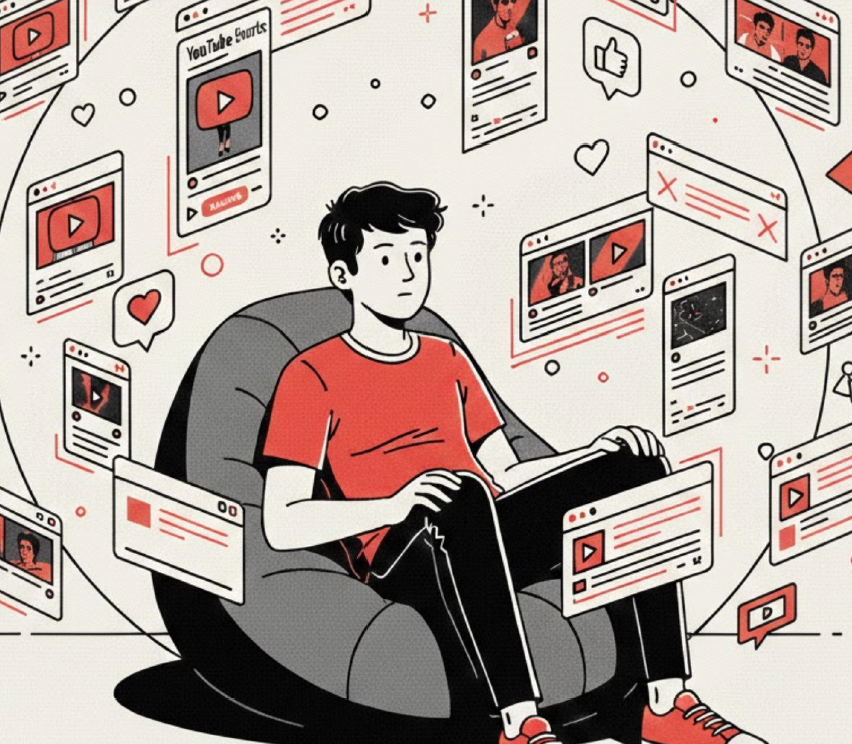
YPulse's MaryLeigh Bliss presents findings from two reports examining social media trends and YouTube's persistent multimodal dominance. Despite intense marketing focus on TikTok, YouTube remains embedded across Gen Z's entertainment, education, shopping, and information-seeking behavior in ways other platforms haven't matched.

398. Jason Fairchild. tvScientific.
Jason Fairchild, CEO of tvScientific and former leader at OpenX and goto.com, explains how deterministic attribution is bringing performance marketing methodologies to connected TV advertising. The discussion covers supply path optimization, incrementality testing to measure TV impact, and how large language models disrupting search advertising will create opportunities for television to reclaim its role in demand creation.
397. IJRM. Sustainability Consideration Gap.
Guilherme Ramos and Larissa Elmor discuss their research examining how often consumers actually think about sustainability when shopping. Their research reveals a significant gap between what people say they value and what they consider during purchases.

396. Dave Bernath. Wurl.
Dave Bernath, CEO of Wurl, breaks down the infrastructure powering ad-supported streaming television and explains how content owners distribute FAST channels to connected TV platforms. The discussion covers contextual targeting technology that matches emotional tone between ads and content, the significant gap between streaming viewership and advertising spend, and why some major studios have ceded more advertising control to platforms than they held in traditional cable television.
395. YPulse. Mythbusting Gen Z.
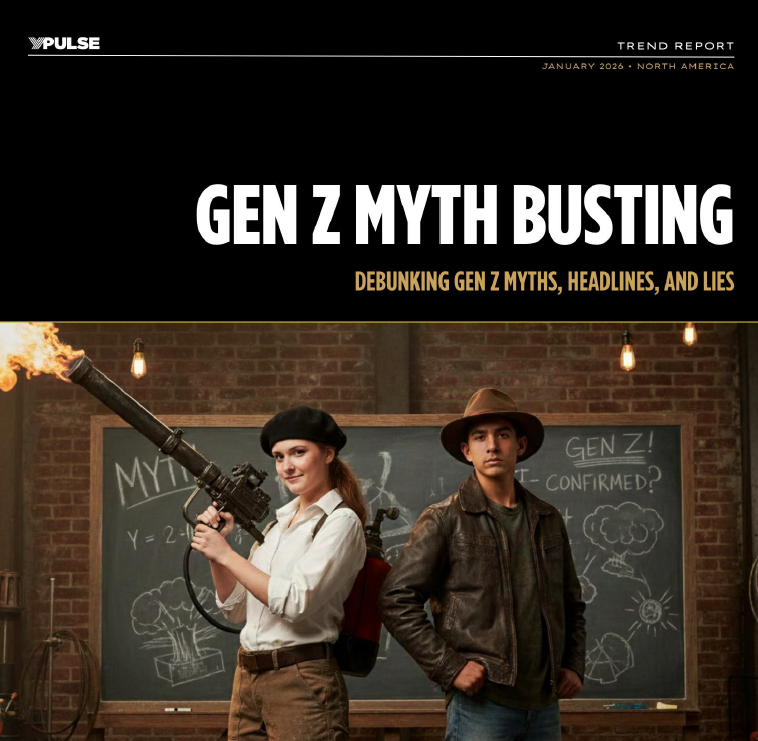
MaryLeigh Bliss from YPulse reveals how media headlines systematically misrepresent Gen Z by amplifying micro-trends as mass behavior and relying on viral TikTok content rather than representative research. The conversation debunks major myths about financial expectations, workplace behavior, technology adoption, and mental health while providing frameworks for distinguishing between viral aesthetics and actual consumer behavior patterns across the generation.

394. Patrick Moynihan. Identity, Trust, Control.
Patrick Moynihan, co-founder and president of Tracer Labs, joins the show to discuss Trust ID, a portable, user-owned digital identity designed to fix broken attribution, eliminate cookie fatigue, and return data ownership to individuals. We explore how this blockchain-backed solution empowers consumers, reduces brand liability, and could transform privacy, consent, and marketing on the internet.
393. IJRM. How Creators Capture Value.
Pierre-Yann Dolbec and Andrew Smith discuss three value capture modes that determine creator monetization: advertiser mode, selling attention through partnerships, entrepreneur mode, exploiting market opportunities through product launches, and professional mode, packaging expertise for direct sale.
The conversation covers why mode-spanning creators demonstrate greater resilience against platform changes, how authenticity struggles stem from violating audience relationship expectations rather than commercialization itself, and why treating creators as long-term strategic partners rather than communication channels produces better outcomes.
392. YPulse. Predictions for 2026.
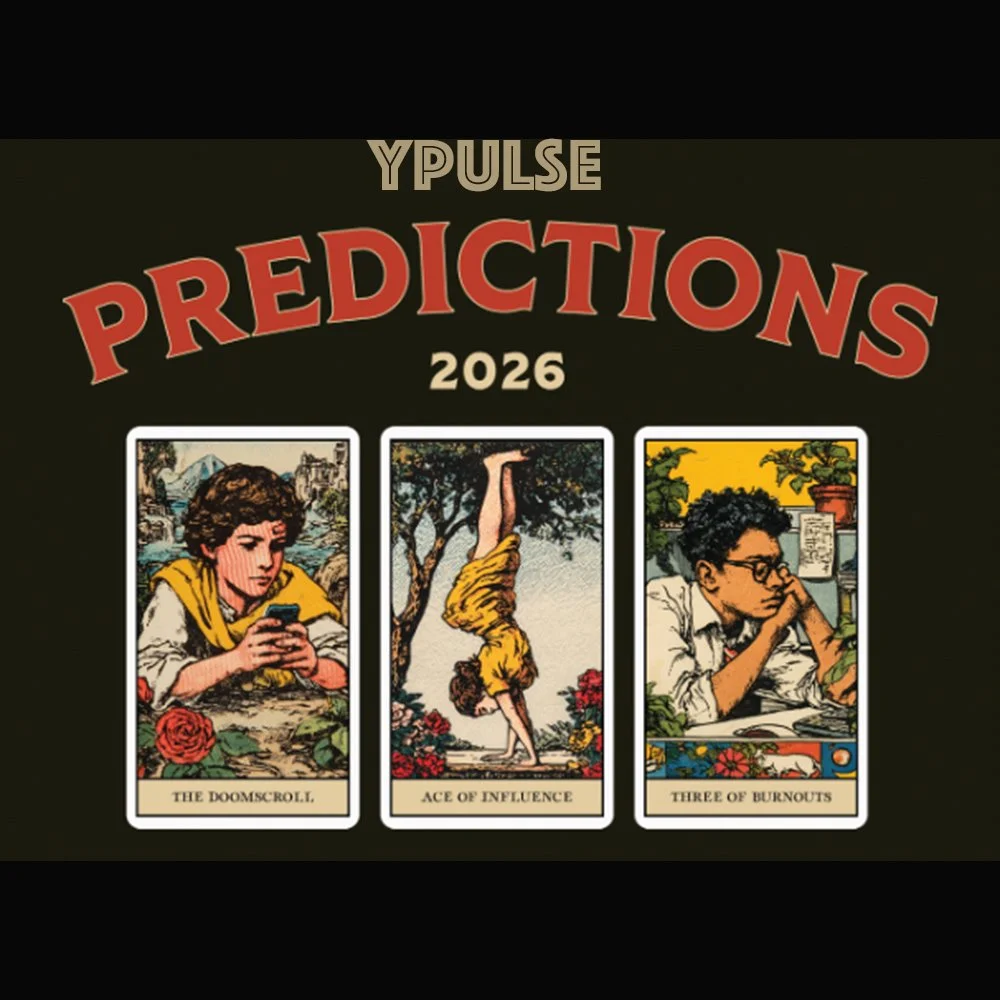
MaryLeigh Bliss from YPulse reveals 2026 predictions for Gen Alpha, Gen Z, and millennial behaviors. After accurately calling 2025 trends, including livestream shopping's breakthrough and local experience resurgence, Bliss forecasts surprising shifts in how social media functions, dramatic compression of cultural cycles, and the evolution of fan creativity through emerging technologies.

391. Ulli Appelbaum. The Science of Brand Associations.
Brand strategist and author Ulli Appelbaum reveals the neuroscience and cognitive psychology behind powerful brand associations. Learn how strong mental links shape consumer decisions, why brands like Volvo and Harley-Davidson evolve their meanings, and how balancing brand building with performance marketing drives lasting growth.
390. IJRM. Complexity & Brand Gender in Advertising.
In this episode, Siyun Chen, Associate Professor at the School of Tourism Management at Sun Yat-sen University, discusses research she and her colleagues published in the International Journal of Research in Marketing (IJRM) on how visual complexity in advertising interacts with brand gender perception to influence consumer response.

389. Sundar Swaminathan. How Uber saved $35M in Ads.
Former Uber Head of Marketing Data Science Sundar Swaminathan shares how he uncovered that Uber’s massive Facebook ad spend wasn’t driving real growth. He explains what companies can learn about incrementality, brand investment, and making data-driven decisions without overcomplicating the process. A must-listen for marketers navigating performance vs. brand spend.

388. Style, Fashion, and Identity.
In today’s episode, MaryLeigh Bliss, Chief Content Officer at YPulse, discusses findings from their fashion preferences report revealing how fear of “cringe” leads young consumers to avoid anything that feels “try-hard,” resulting in comfort-driven uniformity despite their stated embrace of individuality. The conversation explores how TikTok and Instagram operate more as validation loops than discovery platforms, why luxury positioning struggles to resonate with generations raised on fast fashion, and how subtle micro-expressions have replaced bold statements as the new markers of personal identity.
387. IJRM. Luxury & Logo Complexity.
Many brands are simplifying their logos, but new research in IJRM shows complexity can strengthen luxury perceptions. Qing Tang joins to discuss the trade-offs between exclusivity and approachability—and what logo design means for brand strategy.
386. Dan Levi. Out-of-Home’s Surprising Strength.
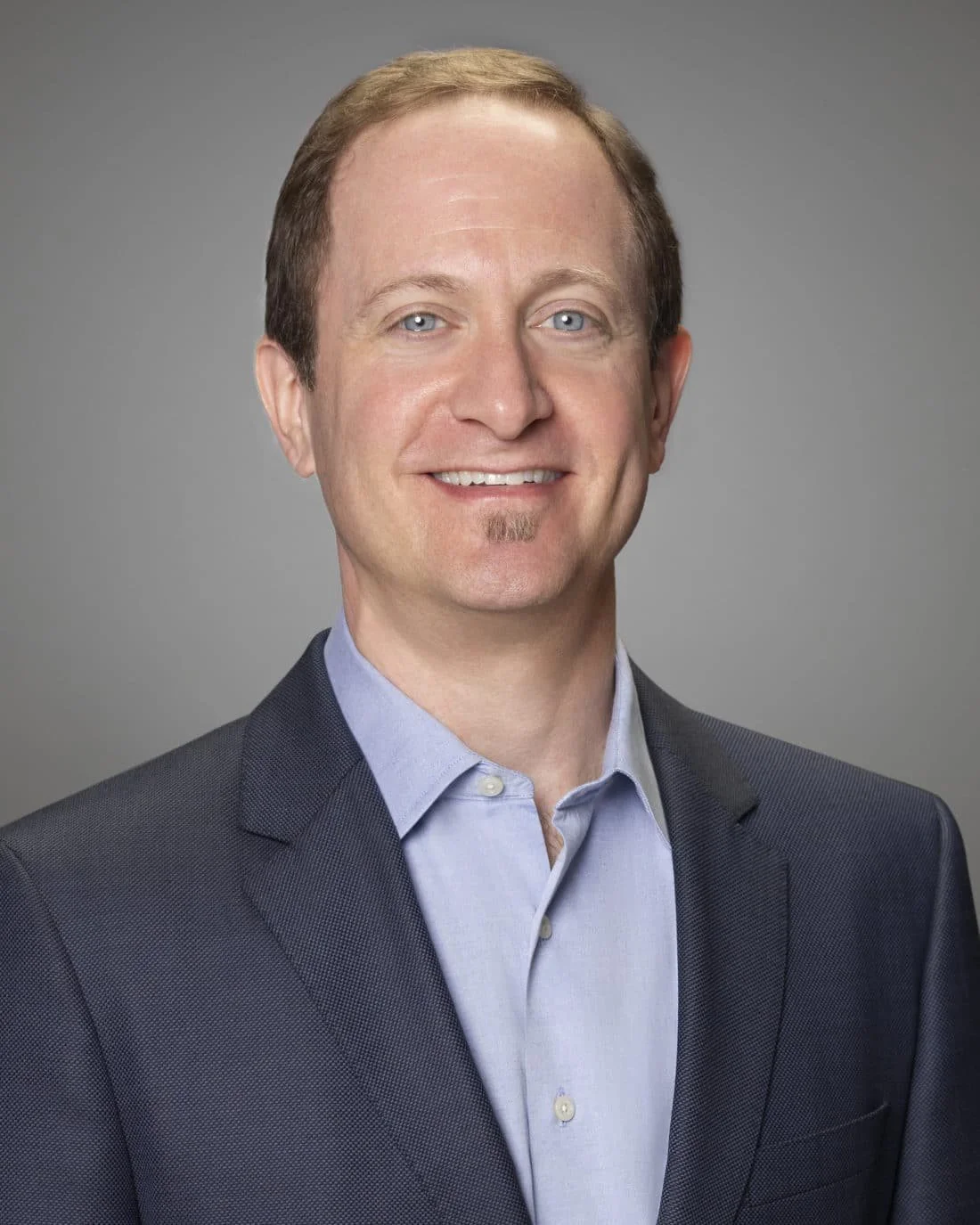
Out-of-home advertising is delivering stronger results than many digital-first channels. Dan Levi, EVP & CMO of Clear Channel Outdoor, shares insights from a five-year study with Kantar that proves OOH drives awareness, intent, and brand favorability—and amplifies the impact of other media. Learn how marketers can measure performance, optimize creative, and integrate OOH into modern campaigns.

385. Robin Bonn. Market of One.
Is the agency world oversupplied—or just under differentiated? In this episode, Gabriella Mirabelli speaks with Robin Bonn, CEO of Co:definery and author of Market of One, about why most agencies struggle to stand out—and how they can fix it. They discuss the myths of procurement power, why “our people” isn’t a strategy, and how smart specialization can transform your business. Whether you're leading an agency, consulting firm, or any service-based business, this conversation is packed with actionable insights on pricing, positioning, and building a truly unique market presence.
384. YPulse. Screens, Streams, & Trust.
YPulse Chief Content Officer MaryLeigh Bliss shares the latest insights into how Gen Z and Millennials are reshaping entertainment and news consumption. From YouTube’s dominance to TikTok’s growing role as a news source, Bliss reveals what young audiences are watching, how they engage with content, and who they trust. Discover what today’s viewing habits mean for brands and media alike.

383. Jason Ing. Typeface & AI Powered Marketing.
What does it mean to market AI to marketers? Typeface CMO Jason Ing joins Gabriella Mirabelli to share how his team is cutting through the noise, helping brands integrate AI without disrupting workflows, and shifting the focus from flashy tools to real outcomes. Learn how agentic AI is changing content creation—and why marketers are uniquely positioned to lead the AI revolution.