


429. YPulse. Shopping & Finance: Physical and Digital Converge.
Young consumers may prefer shopping in stores, but they aren’t abandoning digital. MaryLeigh Bliss, chief content officer at YPulse, joins Gabriella Mirabelli to discuss new research on how Gen Z, Gen Alpha and millennials move between physical and digital shopping, use AI to research purchases, adopt new ways to pay and manage their money.

428. Anku Rani. Scoring Cultural Accuracy.
Anku Rani, a doctoral researcher at MIT and MIT Tata Center fellow, discusses her research on measuring cultural accuracy in AI-generated video. Her culture score breaks cultural faithfulness into identity, behavior, and context, and testing across three leading video models found that visual polish and cultural accuracy moved in opposite directions. The conversation covers what that means for brands producing video content across multiple markets.

427. IJRM. Beyond Before & After.
Josh Lundberg, assistant professor of marketing at North Carolina Central University, shares research he conducted with colleagues, published in the International Journal of Research in Marketing, showing that photos of a charity's process, not just its outcome, lead people to donate more. He and Gabriella discuss why this works and how charities can put it into practice.

426. Jack Myers. Judgment is Scarce.
Media ecologist and futurist Jack Myers joins Gabriella Mirabelli to explain why judgment, not intelligence, is becoming the scarcest resource inside organizations. The conversation traces how AI is reshaping advertising, consulting, and hiring, and what leaders should do differently as a result.

425. YPulse. Youth Data Pipeline.
Dan Coates, CEO and co-founder of YPulse, talks with Gabriella Mirabelli about the youth research firm's new MCP connector, which puts its Gen Z, Gen Alpha, and young millennial data directly inside Claude and other similar gen AI systems, queryable alongside a client's own internal data, and alongside the reports and dashboards it has always sold. Coates explains how YPulse atomized decades of survey responses down to the respondent level, and what that shift means for data provenance, consent, and how brands make decisions in real time.

424. Scott Goodson. Brand Purpose.
Scott Goodson founded StrawberryFrog, a global agency built on a philosophy he calls movement marketing. In this episode, he and Gabriella Mirabelli trace that framework from its origins through decades of application across healthcare, automotive, consumer goods, and fintech. Goodson explains why the building blocks of any real movement include dissatisfaction and a named nemesis, and why brands that skip those elements tend to produce noise rather than momentum. The conversation covers Pampers, Northwell Health, Smart car, and a recent Visa campaign that generated 20,000 organic posts without paid media.
423. IJRM. Passive Power.
Rod Duclos of Ivey Business School at Western University discusses research published in the International Journal of Research in Marketing (IJRM) showing that the grammatical voice of a customer complaint predicts escalation risk independent of content or tone. The study analyzed more than 160,000 complaints filed with the Consumer Financial Protection Bureau and replicated the finding across five controlled experiments. Duclos and Gabriella Mirabelli also examine the implications for HR contexts, the threat AI writing assistants pose to the syntactic signal, and the proper steps for practitioners who want to apply the research.

422. Joshua Lifrak. Win Today.
Josh Lifrak, director of performance and coaching at Limitless Minds and former mental skills director for the Chicago Cubs, walks through the six-step framework in his book Win Today. The conversation covers how people assign meaning to events, why the shift from negative to positive requires a neutral middle step, and how organizations create velocity by replacing ambiguity with behavioral clarity.
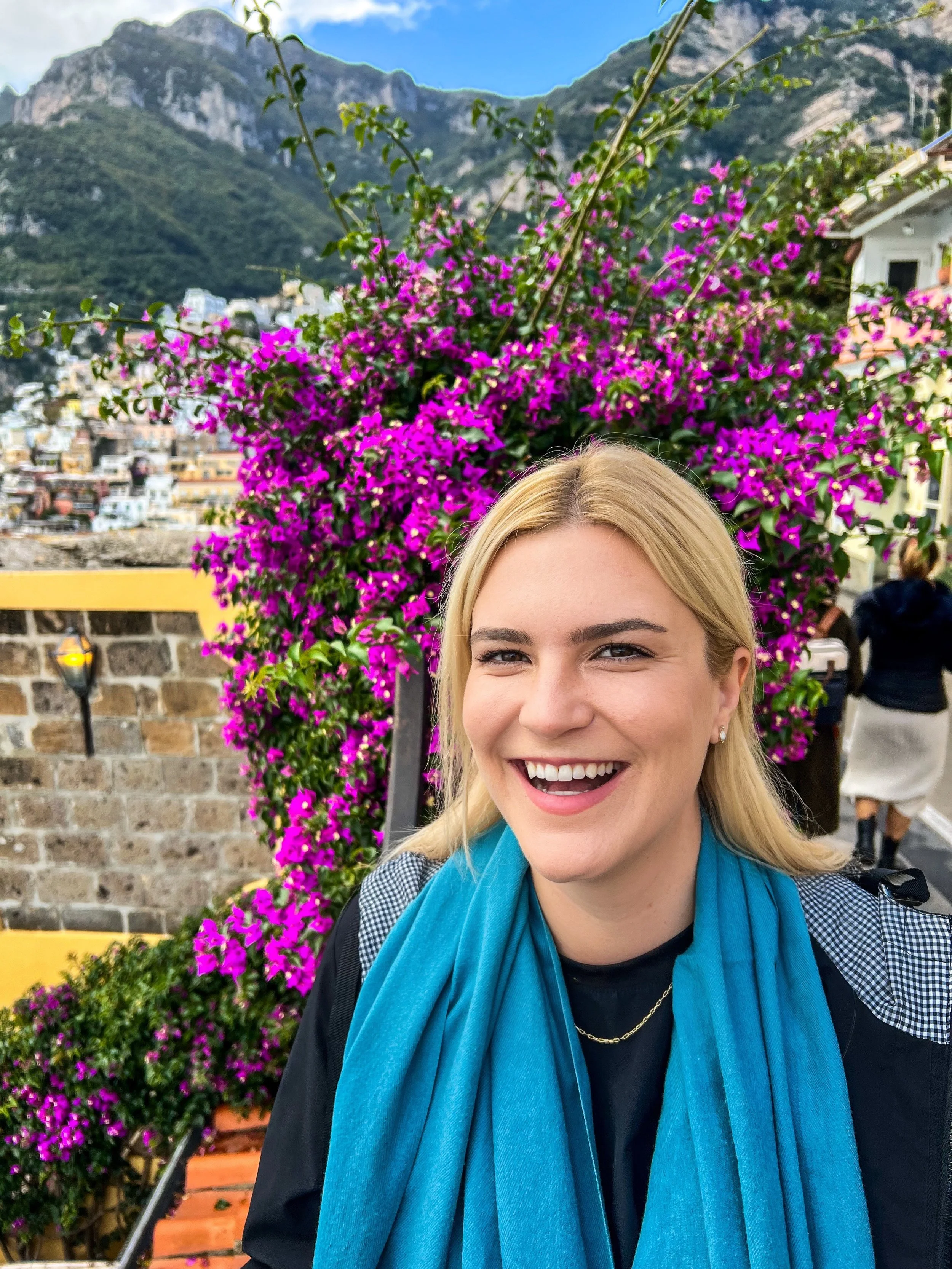
421. Kaley Mullin. Reading Culture Right.
Kaley Mullin, sociologist and co-founder of Cool Shiny Insights, introduces the discipline of semiotics and explains how it sharpens brand strategy beyond what conventional research surfaces. She walks through the cultural curve framework, the difference between social listening and cultural listening, and how brands can better time their moves into emerging cultural spaces.

420. YPulse. Gaming is Tween Culture.
MaryLeigh Bliss, chief content officer at YPulse, joins Gabriella Mirabelli to discuss new research on tween gaming, including how deeply the identity of gamer has taken hold among 8- to 12-year-olds. The conversation covers gaming as a family activity, a virtual economy, and one of the last shared cultural spaces not shaped by an algorithm.

419. Thomas Bunn. The Clarity Report.
Thomas Bunn, Global Chief Client Impact Officer at Zeno Group, walks through Clarity 2030, a 10-country study of more than 1,400 communications professionals. The research documents a widening gap between the influence communications teams are expected to carry and the investment, tool access, and organizational authority they have. The conversation also covers earned media's rising weight in LLM-driven discovery and why the traditional marketing-communications model no longer holds.
418. IJRM. Habit: Loyalty v. Autopilot.
Ryan Webb of the Rotman School of Management joins the show to examine what decades of economics-based loyalty models get wrong about consumer behavior. His research draws on neuroscience and psychology to redefine habit as an automated context-response association, with direct implications for how marketers interpret repeat purchase data, design loyalty programs, and think about the risks of product changes.

417. Kris Johns. AdGood.
AdGood Foundation is a 501(c)(3) that accepts donated CTV inventory from publishers and makes it available to nonprofits at $5 to $6 CPM, approximately 70% below standard market rates. Founder and CEO Kris Johns explains the structural economics behind persistent fill rate gaps, why publishers choose to donate inventory, and how a self-serve AI tool lets small nonprofits produce broadcast-ready spots for as little as $250. The conversation covers attribution realities, pairing CTV with social for donor acquisition, and AdGood's Nonprofit Media Fund, launched October 2025.

416. YPulse. The Post-Social Playbook.
In today’s episode, MaryLeigh Bliss, chief content officer at YPulse, presents findings from the Post-Social Playbook report, a survey of 1,500 13 to 39-year-olds examining how algorithm-driven platforms have changed what social media is for. The conversation covers why follower counts no longer guarantee reach, what content formats are gaining traction with young consumers, how each major platform is being used, and where brands should focus when resources are limited.

415. Jesse Weinstein. Employee Rights.
Employment attorney Jesse Weinstein of Phillips & Associates explains what legally qualifies as discrimination and retaliation, how to document workplace concerns in real time, and why specificity in HR complaints determines whether you are protected under the law. The conversation covers whistleblower statutes, severance pitfalls, power dynamics in entertainment, and how contingency fee representation works.
414. IJRM. Algorithmic Dynamic Pricing & Consumers Trust + Behavior.
Arnd Vomberg, Associate Professor of Marketing at HEC Paris, shares findings from research published in the International Journal of Research in Marketing on how consumers respond to algorithmic dynamic pricing. The conversation covers trust erosion, price search behavior, the habituation effect, and the interventions, including competitor price matching and price guarantees, that can reduce backlash without eliminating the strategy.

413. Ilan Strauss. AI Markets, Not Models.
Dr. Ilan Strauss, co-director of the AI Disclosures Project, joins the podcast to examine why AI governance problems originate in market structure rather than model behavior. The conversation covers open protocols, telemetry disclosure requirements, cross-border regulatory fragmentation, and the structural parallels between AI's content compensation failures and the early platform economy.

412. YPulse + Evan Shapiro. Gen Z Broke the Media Playbook.
YPulse chief content officer MaryLeigh Bliss and media analyst Evan Shapiro join Gabriella Mirabelli to examine what YPulse's brand tracker data reveals about how young consumers perceive streaming and entertainment platforms today. The conversation traces the gap between brands that measure as culturally hot or cool and the behavioral data on actual platform usage, and what that divergence means for studios still structured around legacy distribution.
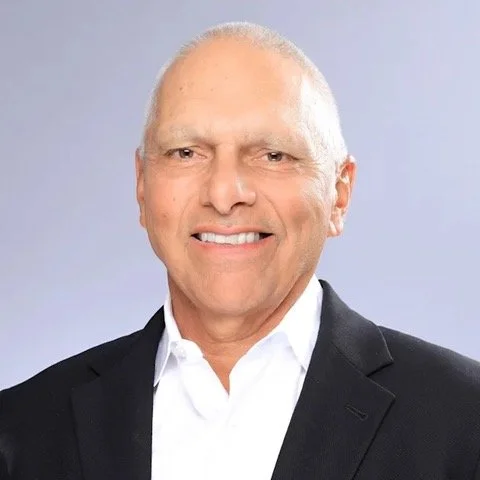
411. Jack Oujo. Too Smart to be an Umpire.
In this episode, Jack Oujo discusses his book ,Too Smart to Be an Umpire, and how to reinvent oneself. After eight years pursuing major league umpiring, Oujo was let go. The rejection could have broken him, but instead he pivoted, applying lessons he learned officiating to entrepreneurship and building a wealth management career that far exceeded what a career as a major league umpire could have offered.
410. IJRM. Consumer Financial Data Exchange.
Simon Blanchard, Dean's Professor of Marketing at Georgetown and co-editor at the Journal of Marketing Research, discusses research published in the International Journal of Research in Marketing on the four-actor ecosystem operating beneath most loyalty programs and embedded buy-now-pay-later financial services. The conversation covers how equity theory applies to consumer data exchange, why perceived fairness is almost always miscalibrated, and what CMOs should ask before embedding a third-party financial provider in their customer experience.