

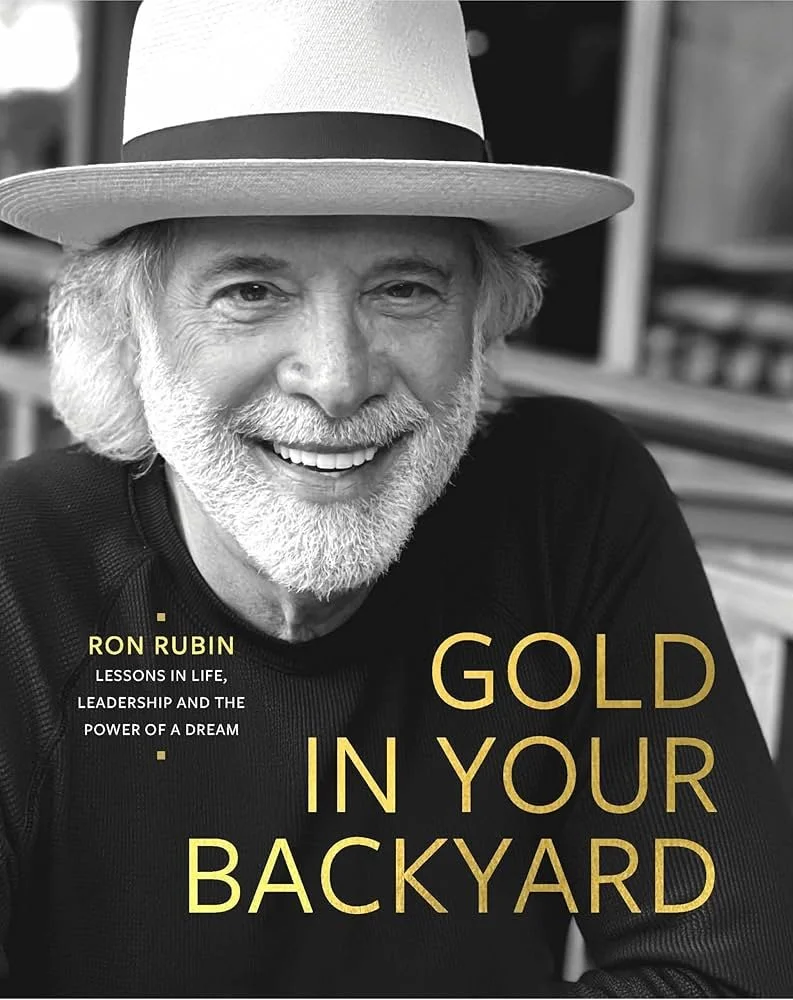
409. Ron Rubin. Gold in Your Backyard.
Ron Rubin, entrepreneur and author of Gold in Your Backyard, built the Republic of Tea and River Road Family Vineyards over five decades while maintaining debt-free operations. His book, named after his father's expression about recognizing opportunities right in front of you, compiles 50 life lessons drawn from Ron’s entrepreneurial career. The conversation covers his approach to risk evaluation, premium brand positioning in commodity markets, finding mentors by direct outreach, and building company culture through values rather than just compensation. The conversation touches on everything from practical decisions about work-life boundaries and incorporating feng shui principles into business design to budgeting for mistakes to reduce innovation pressure.

408. Paul D’Arcy. AI + Marketing.
Paul D'Arcy, CMO at Moloco, discusses how AI has fundamentally altered the balance between human and machine decision-making in marketing, with digital advertising becoming the first majority AI business as machines outperform human intervention at complex optimization tasks. The conversation explores why marketers focus too heavily on using AI for internal workflow efficiency while missing larger strategic implications of AI-driven transformations in consumer discovery and purchase behavior that require rethinking brand relevance, community building, and owned digital experiences.

407. YPulse. Loyal Consumers & Cool Brands.
In today’s episode, MaryLeigh Bliss, Chief Content Officer at YPulse, brings data from two reports tracking brand coolness and brand loyalty among consumers aged 13 to 39. The conversation examines why the forces driving each are largely distinct, what is causing loyalty among younger cohorts to shift faster than a gradual trend would explain, and what one legacy brand did to move 67 places in the cool ranking in a single year.

406. Rick DeLisi. AI ROI.
Rick DeLisi, Lead Research Analyst at Glia and co-author of The Effortless Experience, discusses research showing less than 30% of organizations achieve full value from customer support AI despite widespread adoption. The conversation covers the "AI maturity gap" where implementation without operational readiness limits returns, why focusing solely on cost reduction misses AI's potential as an insight generator and revenue driver, and how high-performing organizations transform contact centers from cost centers into strategic growth engines.

405. IJRM. Regressive Nostalgia.
Finola Kerrigan discusses research she and her colleagues published in the International Journal of Research in Marketing, based on a decade studying James Bond fan communities. The episode examines what they call regressive nostalgia - when loyal fans resist a brand's efforts to evolve with culture - and what brand managers get wrong about vocal consumers.

404. Mickie Kennedy. Smarter PR.
Mickie Kennedy, founder of eReleases with over 25 years in the industry, explains why 97% of press releases distributed through major newswires fail to generate earned media and what small businesses can do differently. The discussion covers strategic approaches including industry surveys that consistently generate multiple articles, the importance of story arc elements, and why journalist relationships matter less than they once did as the economics of journalism have changed.
403. YPulse. Tweens & Screens.
YPulse chief content officer MaryLeigh Bliss walks through new survey data on how 1,500 North American tweens ages 8 to 12 consume media and entertainment. The conversation covers YouTube's dominance over streaming, the role of short-form content in driving longer viewing, family co-viewing habits, and what Gen Alpha's demand for diverse representation means for brands and content creators.

402. Rachel Bouchar. Event Marketing.
Rachel Boucher, head of content at Event Marketer magazine, explains how experiential marketing has shifted from tactical one-off activations to strategic campaign hubs with integrated digital extensions. The conversation covers why networking ranks as the top attendee goal at B2B events, how Gen Z drives demand for offline connection around niche digital communities, and why content generation through nano-influencers has become the number one investment area while production value expectations have risen dramatically.
401. IJRM. Algorithm Killing Cool?
Henri Weijo, associate professor of marketing at Aalto University School of Business, discusses research on how fashion consumers on Instagram split into two opposing groups in response to algorithmic recommendation—one that embraces it and one that actively works around it. The conversation covers what that divide means for brand strategy, luxury positioning, virality as a liability, and where recommendation systems are headed as distrust of major platforms grows.

400. Tina Dietz. Sound Content Strategy.
Tina Dietz, vocal leadership expert and founder of Twin Flames Studios with over 500 audiobook and podcast projects, explains how audio content creates parasocial relationships that build trust more effectively than other media formats. The discussion covers why podcast saturation fears are overstated, the difference between podcasting as a business versus for business development, and how audiobooks have achieved double-digit growth for fifteen consecutive years while representing over $2 billion in US sales.
399. YPulse. YouTube Youth.
YPulse's MaryLeigh Bliss presents findings from two reports examining social media trends and YouTube's persistent multimodal dominance. Despite intense marketing focus on TikTok, YouTube remains embedded across Gen Z's entertainment, education, shopping, and information-seeking behavior in ways other platforms haven't matched.

398. Jason Fairchild. tvScientific.
Jason Fairchild, CEO of tvScientific and former leader at OpenX and goto.com, explains how deterministic attribution is bringing performance marketing methodologies to connected TV advertising. The discussion covers supply path optimization, incrementality testing to measure TV impact, and how large language models disrupting search advertising will create opportunities for television to reclaim its role in demand creation.
397. IJRM. Sustainability Consideration Gap.
Guilherme Ramos and Larissa Elmor discuss their research examining how often consumers actually think about sustainability when shopping. Their research reveals a significant gap between what people say they value and what they consider during purchases.

396. Dave Bernath. Wurl.
Dave Bernath, CEO of Wurl, breaks down the infrastructure powering ad-supported streaming television and explains how content owners distribute FAST channels to connected TV platforms. The discussion covers contextual targeting technology that matches emotional tone between ads and content, the significant gap between streaming viewership and advertising spend, and why some major studios have ceded more advertising control to platforms than they held in traditional cable television.
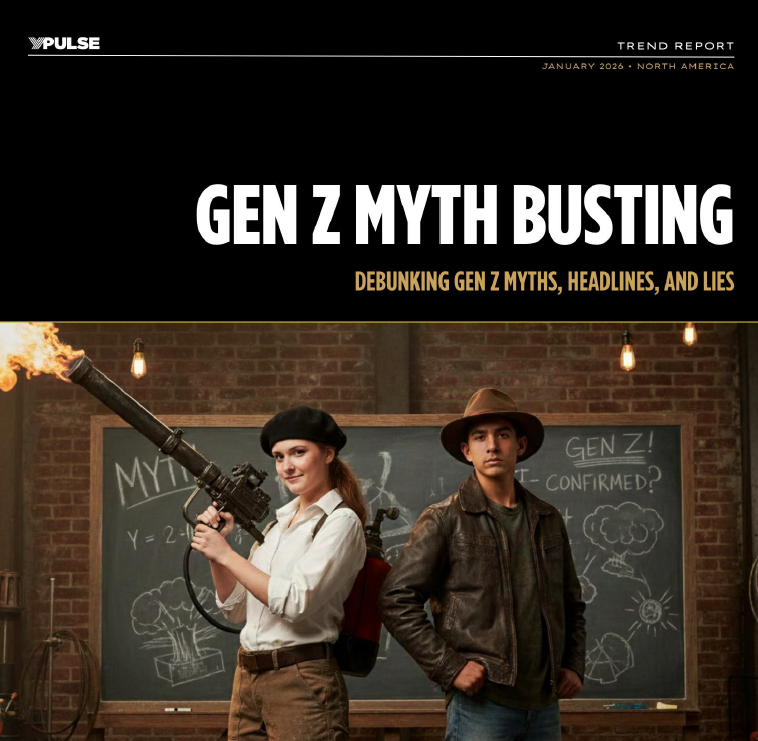
395. YPulse. Mythbusting Gen Z.
MaryLeigh Bliss from YPulse reveals how media headlines systematically misrepresent Gen Z by amplifying micro-trends as mass behavior and relying on viral TikTok content rather than representative research. The conversation debunks major myths about financial expectations, workplace behavior, technology adoption, and mental health while providing frameworks for distinguishing between viral aesthetics and actual consumer behavior patterns across the generation.

394. Patrick Moynihan. Identity, Trust, Control.
Patrick Moynihan, co-founder and president of Tracer Labs, joins the show to discuss Trust ID, a portable, user-owned digital identity designed to fix broken attribution, eliminate cookie fatigue, and return data ownership to individuals. We explore how this blockchain-backed solution empowers consumers, reduces brand liability, and could transform privacy, consent, and marketing on the internet.
393. IJRM. How Creators Capture Value.
Pierre-Yann Dolbec and Andrew Smith discuss three value capture modes that determine creator monetization: advertiser mode, selling attention through partnerships, entrepreneur mode, exploiting market opportunities through product launches, and professional mode, packaging expertise for direct sale.
The conversation covers why mode-spanning creators demonstrate greater resilience against platform changes, how authenticity struggles stem from violating audience relationship expectations rather than commercialization itself, and why treating creators as long-term strategic partners rather than communication channels produces better outcomes.
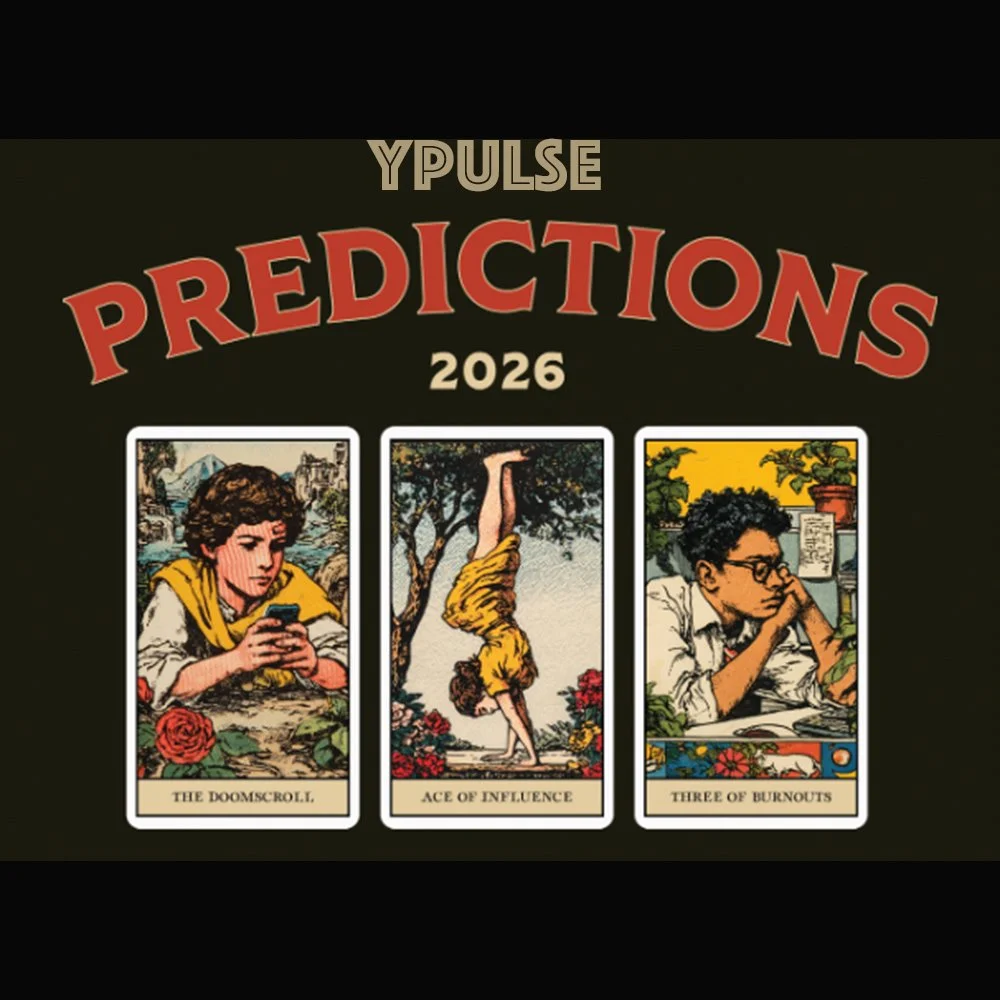
392. YPulse. Predictions for 2026.
MaryLeigh Bliss from YPulse reveals 2026 predictions for Gen Alpha, Gen Z, and millennial behaviors. After accurately calling 2025 trends, including livestream shopping's breakthrough and local experience resurgence, Bliss forecasts surprising shifts in how social media functions, dramatic compression of cultural cycles, and the evolution of fan creativity through emerging technologies.

391. Ulli Appelbaum. The Science of Brand Associations.
Brand strategist and author Ulli Appelbaum reveals the neuroscience and cognitive psychology behind powerful brand associations. Learn how strong mental links shape consumer decisions, why brands like Volvo and Harley-Davidson evolve their meanings, and how balancing brand building with performance marketing drives lasting growth.
390. IJRM. Complexity & Brand Gender in Advertising.
In this episode, Siyun Chen, Associate Professor at the School of Tourism Management at Sun Yat-sen University, discusses research she and her colleagues published in the International Journal of Research in Marketing (IJRM) on how visual complexity in advertising interacts with brand gender perception to influence consumer response.