

412. YPulse + Evan Shapiro. Gen Z Broke the Media Playbook.
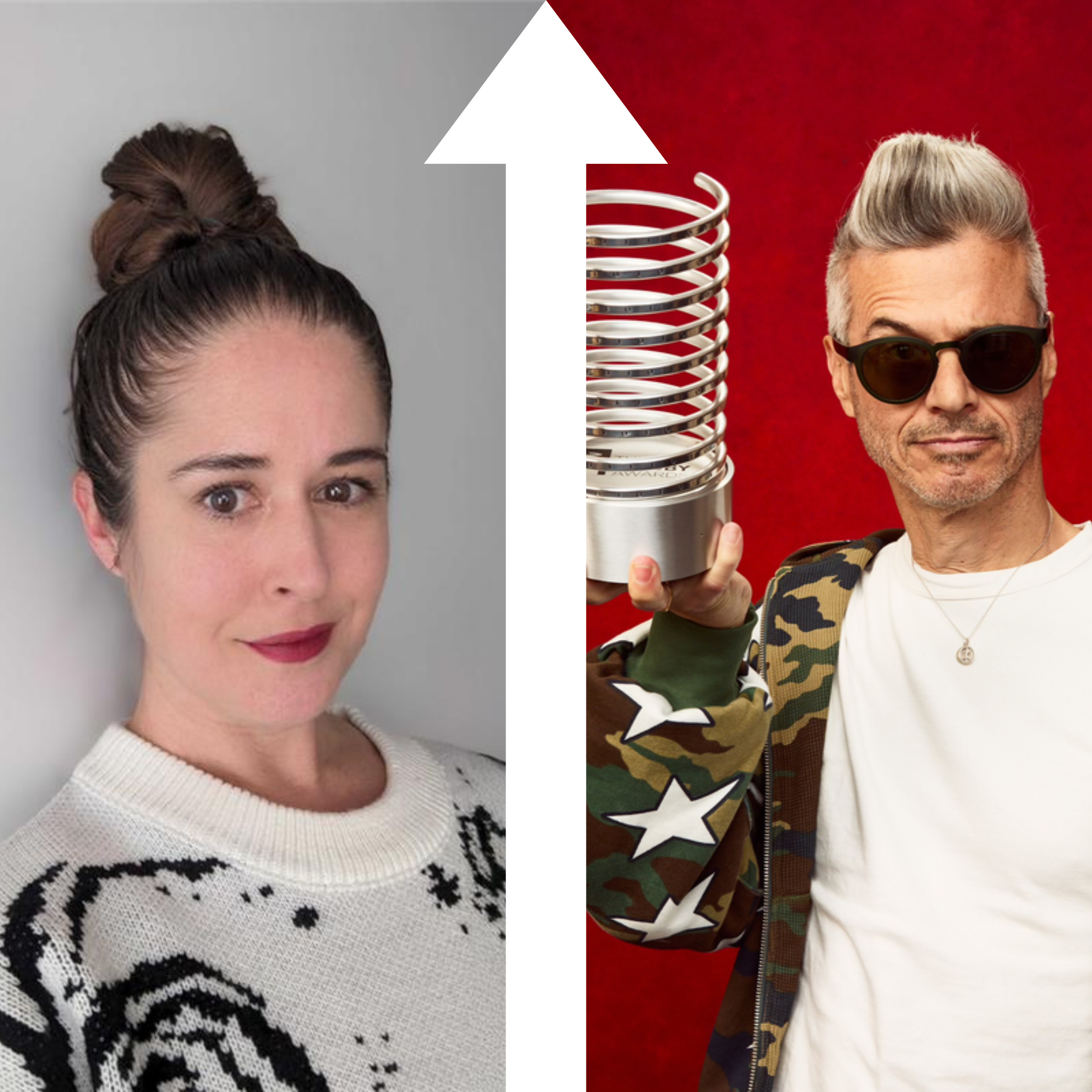
MaryLeigh Bliss + Evan Shapiro
May 21, 2025
Listen to full episode :
Media companies spent years assuming younger audiences would eventually return to traditional viewing habits. They didn’t.
Instead, Millennials and Gen Z reshaped the entertainment ecosystem around entirely different expectations: on-demand access, platform fluidity, creator-driven discovery, mobile-first viewing, and fandom-centered engagement. Now the rest of the industry is being forced to catch up.
On this episode we spoke with MaryLeigh Bliss and Evan Shapiro about what YPulse’s latest data reveals about the current state of media consumption, and why many legacy assumptions about television, streaming, and audience loyalty are breaking down in real time.
The conversation drew from YPulse’s ongoing brand tracker and behavioral consumption research among 13-to-39-year-olds across North America, comparing what audiences perceive as “hot” or “cool” with what they watch every week.
The Industry’s Biggest Miscalculation
For years, media executives reassured themselves that cord-cutting was temporary and that Millennials would eventually settle into traditional cable bundles as they aged. Instead, those generations carried streaming-first and social-first behaviors into adulthood.
As Bliss explained, those behaviors become embedded: “They’re going to carry this with them.”
That shift now extends beyond Gen Z. Gen Alpha is growing up inside an ecosystem where YouTube, TikTok, streaming platforms, gaming creators, and social video are all part of the same entertainment environment.
Shapiro argued that the industry still underestimates the scale of that cultural transition: “Their media consumption norms are now the norms.”
YouTube Is No Longer Alternative Media
When YPulse combines YouTube Free, YouTube Premium, and YouTube TV into one platform, YouTube effectively trades places with Netflix as the number one video platform among 13-to-39-year-olds.
That matters because YouTube is no longer functioning as a secondary entertainment destination. For many younger viewers, it has become television itself.
As Bliss put it: “YouTube is their cable.”
The behavioral data also revealed how dramatically viewing habits have shifted across devices. Smartphones now surpass television screens for weekly video viewing among young consumers, with television usage dropping below 50% among 18-to-24-year-olds.
The implication is larger than screen preference. Consumers no longer separate “television,” “social video,” and “streaming” into distinct categories the way the industry still often does. Video consumption has become one continuous ecosystem.
Or as Shapiro described it: “It is a merged ecosystem between horizontal and vertical social video and streaming and television.”
The Platform Is Not the Loyalty Driver
YPulse’s data found that 69% of young consumers would pay for a new streaming service simply because a favorite show moved there. But that loyalty is temporary. Once the season ends, many cancel the service and move on.
That behavior reflects a broader exhaustion with subscription stacking and rising streaming costs.
Consumers may maintain one or two default subscriptions—often Netflix or Amazon Prime—but increasingly rotate everything else based on specific IP, franchises, creators, or fandoms.
As Bliss summarized: “The platform is a container. The content is the loyalty driver.”
That dynamic helps explain why culturally powerful IP can survive even when the platforms carrying it struggle for relevance.
Shows, franchises, and fandoms remain sticky. Distribution does not.
Fandom Is Becoming the Business Model
The conversation repeatedly returned to fandom as one of the strongest economic forces shaping entertainment.
Bliss pointed to Crunchyroll as an example. While relatively small compared to Netflix or YouTube, its audience demonstrates unusually strong affinity and extremely low churn. The same pattern appears across niche creator communities and gaming ecosystems.
These audiences are not passive consumers. They gather around identities, communities, and shared enthusiasm.
That same logic is now reshaping theatrical releases. YPulse predicts fandoms may ultimately “save” movie theaters, not through mass-market viewing habits, but through eventized communal experiences built around deeply engaged audiences.
Anime releases, K-pop events, live finales, and fandom-driven screenings are already proving that younger audiences will still show up physically when the experience feels culturally meaningful.
The key difference is that younger audiences expect content to exist everywhere simultaneously: streaming, social, mobile, theaters, clips, communities, and creator ecosystems.
The old distribution rules are losing relevance.
Legacy Media’s Window Is Closing
Shapiro argued that major studios are dramatically underutilizing their libraries by resisting full-scale distribution of premium long-form content across social platforms. In his view, companies sitting on decades of recognizable IP are missing one of the largest monetization opportunities in modern media. He estimated that Disney alone could potentially unlock billions by more aggressively embracing creator-platform distribution models.
At the same time, he contrasted companies doubling down on traditional studio economics with companies investing in creator ecosystems, social distribution, and fandom infrastructure.
The distinction matters because younger consumers no longer treat streaming services as the center of entertainment culture. They move fluidly between creators, clips, premium shows, gaming streams, social feeds, podcasts, and community experiences.
The companies that adapt to that behavior may still thrive. The companies waiting for audiences to return to old habits may not.
The Real Wake-Up Call?
For Bliss, the answer was YouTube’s dominance and the realization that younger audiences have fully integrated it into everyday viewing behavior across every screen and life stage.
For Shapiro, the answer was broader: media companies need to stop thinking in silos.
Consumers no longer experience entertainment as separate categories like “TV,” “social,” or “streaming.” They experience all of it simultaneously, fluidly, and continuously.
The future of media will not belong to the companies most committed to preserving old distribution models. It will belong to the companies that understand how audiences live now.
About Our Guests
MaryLeigh Bliss
As Chief Content Officer, MaryLeigh Bliss oversees YPulse’s syndicated products. Her role also involves acting as a culture and youth insights expert, consulting with brands to identify actionable insights, align young consumer strategy, and layer generational and youth knowledge over data findings.
MaryLeigh has worked with a range of brands, including Facebook, Hampton, Bravo, HBO, Target, Best Buy, and Gap, and has been quoted as a youth insights authority by publications including The New York Times, Digiday, Business Insider, and Adweek. She has appeared as a Gen Z and Millennial expert on Bloomberg News, Fortune, and NPR Marketplace, and been a speaker at many off-sites and conferences. MaryLeigh’s interest in youth culture originated from her love of YA literature and pop culture anthropology, and she is continuing her passion for decoding and demystifying the next generations of consumers at YPulse.
Follow & Learn more: MaryLeigh Bliss LinkedIn
Evan Shapiro
Since he created his Media Universe Map, Evan Shapiro has become known as the Media Cartographer. Using his very specific voice and point of view, Shapiro charts Media’s future through his essays on the Media War & Peace Newsletter – which is now one of the most read entertainment business publications on Substack. He also co-hosts The Media Odyssey podcast, which has become an industry touchstone and won him the 2026 Webby Award for Thought Leadership.
Shapiro has been a featured speaker at the world’s most important media events. His maps, infographics, and ruminations are now widely quoted and used by businesses, executives, analysts, and colleges around the world.
He is also an Emmy and Peabody Award winning producer of TV, films and podcasts, including Portlandia, This Film Is Not Yet Rated, Please Like Me, and Brick City. He also served 18 years as a professor at New York University’s Stern School of Business.
Follow & Learn more:
YPulse
YPulse is the leading authority on Millennials and Gen Z: tweens, teens, college students and young adults. They provide strategic insight to companies and organizations via their subscription-based syndicated research content as well as their custom research and consulting services. Staffed with a cross-functional team of researchers, marketers, writers, and technologists, they give their clients a 360-degree view of what it’s like to be a Millennial or Gen Z today.
Click here to sign up for Ypulse